

Lizzy McDowell’s career in the digital infrastructure sector was a happy accident, but it quickly became her calling. Now, as Marketing Director at Kao Data, she is the driving force behind the ‘Critical Careers’ campaign, an initiative that champions the diverse and rewarding opportunities within the industry that underpins our modern digital world.

In this exclusive interview, Lizzy shares her personal journey – from her serendipitous start to a life-changing conversation with a mentor. We also explore the pivotal role of diversity and inclusion in sparking innovation and how she envisions women continuing to shape the industry’s future amidst the rise of AI and the push for greater sustainability.
What initially drew you into the data centre industry, and looking back, what has been the most significant evolution you’ve witnessed in the field?
I didn’t set out to work in digital infrastructure, like many, I fell into IT almost by accident. It wasn’t a lifelong ambition or a conscious career path, but once I was in, I quickly realised how critical and fascinating the data centre industry is. What drew me in, unknowingly at first, was the sheer impact this invisible industry has on our daily lives, it underpins every element of our day-to-day lives.
Looking back, the most significant change I’ve seen is how data centres have moved from being behind the scenes to the foundation of the global digital economy. With the rise of AI and a heightened focus on sustainability, the industry has stepped into the spotlight. If I’d known how brilliant this world was earlier, I’d have chosen it in a heartbeat, which is exactly why raising awareness through projects like Critical Careers is so important.
From your personal journey, could you share a specific moment or mentor that truly inspired you or helped you overcome a challenge in your career in digital infrastructure?
One of the most inspiring moments in my career came during my very first interview with Adam Nethersole, VP of Marketing, for my current role at Kao Data.
He asked what I was really good at and what I struggled with. I told him I was great at flat-pack furniture and reading maps, but bad at spelling, as I’m dyslexic. It’s something I’ve always carried a bit of shame around, but Adam didn’t flinch. He immediately reframed it as a strength, that getting to where I was, despite that challenge, was a sign of resilience, not weakness. That moment changed how I viewed what I thought was my biggest weakness and instantly made me feel completely comfortable in it. That spirit of acceptance and support is exactly what we want to replicate with Critical Careers, showing others they can thrive, regardless of what they consider their strengths and weaknesses.
In your experience, what unique perspectives or strengths do women bring to the table in the traditionally male-dominated data centre industry, and why are these perspectives crucial for innovation?
Women bring a hugely valuable perspective to the data centre industry, and not just because of gender, but because of the unique experiences, empathy and collaborative strength they often contribute. In a traditionally male-dominated space, women tend to create supportive, inclusive networks that lift others. That spirit of collaboration nurtures environments where people feel safe to be themselves, to grow and to innovate. Having more women in leadership means recognising and accommodating real-life challenges, whether that’s being a working parent or having female associated conditions, without judgment. Those lived experiences shape more compassionate, flexible, and ultimately more effective teams.
Critical Careers highlights that there’s no single route into this industry, and that diversity in background, gender and thought isn’t just a bonus, it’s essential to move forward. Innovation and community thrive when different perspectives are not just welcomed but celebrated.
What emerging trends or technologies excite you the most, and how do you see women continuing to shape these advancements?
What excites me most is how AI and sustainability are interconnecting to drive meaningful change, not just in data centres, but in society. Technologies like heat reuse, renewable energy integration and sustainable backup fuels are helping our spearheading the transition to the green economy. Then when you combine that with potential of AI, which is making operations smarter, cleaner, and more efficient, the future is looking super exciting.
Women are already playing a huge role in shaping this future, not only in engineering and leadership roles, but by bringing collaboration, empathy and long-term thinking into innovation. Historically, women have always been part of major tech breakthroughs, like solving the Enigma code and space travel, even if that’s often overlooked. With AI levelling the playing field and breaking down barriers, we’re seeing more women empowered and gaining the confidence to lead, create and redefine the narrative. The future of digital infrastructure is being built by diverse teams and that’s exactly why it’s becoming smarter, greener, and more inclusive.
For young women today who might be considering a career in the data centre or wider digital infrastructure space, what tangible advice would you offer to help them navigate challenges and build a successful and fulfilling path?
My biggest piece of advice is to keep saying yes to opportunities, even if they feel outside your comfort zone. That’s how you grow; and often the best paths are the ones you didn’t expect.
The digital infrastructure sector can seem vast and fast-paced at first, but there’s a real sense of community here. No one has all the answers, and most of us are still navigating this young industry. Don’t be afraid to engage, ask for advice, request a chat over a coffee or pick up the phone, this industry is very open and generous with their time.
There are also incredible communities in initiatives like Critical Careers, For Women in Data Centres, and GeN+1 that can help you find support, mentorship and opportunities. You don’t have to have it all figured out, but start by showing up, remaining curious and trusting that there is space for you here.
In your view, how does fostering greater diversity and inclusion, as championed by this campaign, directly contribute to the sustainability and long-term resilience of the digital infrastructure sector?
The success of digital infrastructure heavily relies on the diversity of the people shaping it. This industry is global by nature, data centres have to serve both local and international economies, communities and technologies. Meaning we need ideas, insights and problem-solving approaches from everywhere and everyone. Greater inclusion brings new ways of thinking, better decision-making and stronger collaboration, which are powering the world.
Campaigns like Critical Careers are helping to shift perceptions and open the door to people who may never have considered this path, to bring in voices from different cultures, backgrounds and experiences. Resilience is fuelled by diversity and inclusion, and that’s how we ensure the digital infrastructure sector can evolve responsibly, meet global challenges and deliver a future that works and supports all.
What do you believe are the biggest misconceptions young women might have about careers in data centres, and how can initiatives like ‘Critical Careers’ help to dispel them?
One of the biggest misconceptions young women have about the data centre sector is that it’s not for them. Not because of the job titles or the technical jargon, but because the industry can feel distant perhaps male-dominated or even too far removed from what their current interests. They imagine they won’t belong, or that their skills aren’t transferable. But the truth is, this sector needs every kind of talent, from engineering to marketing and everything in between.
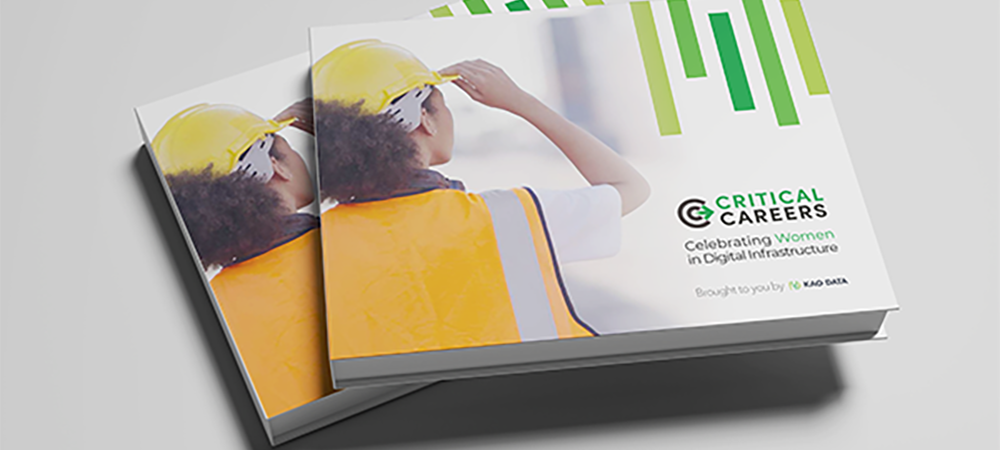
That’s exactly why Critical Careers was created, to show that there are brilliant women in every corner of the industry, doing work that’s fulfilling, exciting and impactful. The stories we’ve shared offer something far more powerful than job descriptions, they are about representation. I hope when young women see individuals that they relate to, thriving in these roles, they might just think that maybe digital infrastructure could be somewhere they could flourish after all.
Looking to the future, what are your hopes for increased female representation and leadership within the data centre industry, and what further steps do you think the sector as a whole needs to take to achieve these goals?
Looking ahead, I hope to see more women in leadership, not just in traditionally “female” roles, but right at the top: CEOs, board members, technical leads. We’re already seeing change from the ground up, with more women entering the sector through apprenticeships and junior roles. But now it’s time to ensure they’re supported so they have a path to get to the top. That means creating clear development pathways, trusting potential over perfect grades and continuing to build inclusive cultures where people are appointed because of the possibility of who they could be, not what their current experience portrays them to be.
I’d also love to see more cross-sector collaboration between operators, suppliers and policymakers to embed equity as standard. Ultimately, I want to get to a place where initiatives like Critical Careers aren’t seen as a novelty, they are just normality.

