
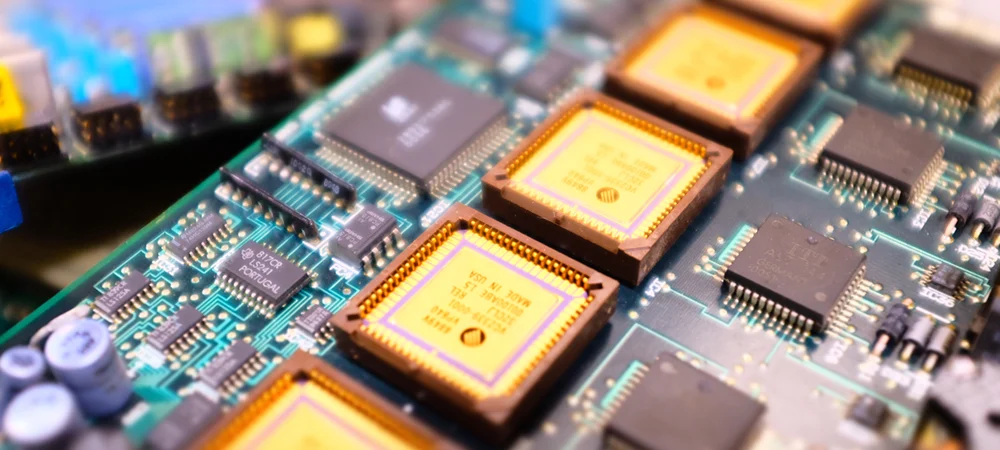
Global e-waste is a rapidly growing problem, with a new report revealing that a record 62 million tonnes of electronic waste was generated in 2022 – an 82% increase since 2010. This figure is projected to grow by another 32% to 82 million tonnes by 2030.
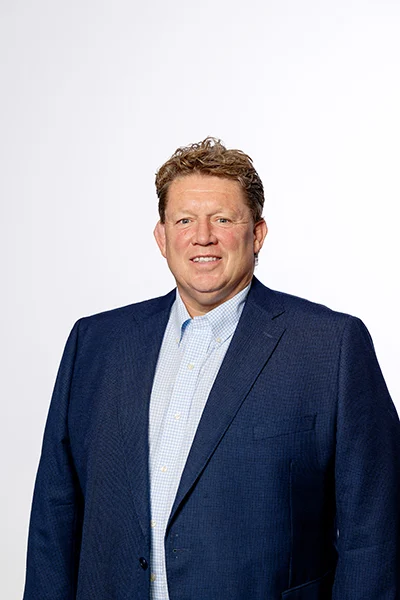
The technology supply chain, including equipment manufacturers and the data centre industry, is a major contributor to the problem of electronic waste. Yet, it often takes an insider with a new perspective to truly find a solution. This is certainly the case for entrepreneur Simon Taylor – formerly Co-founder of Next Generation Data (NGD), a hyperscale data centre in Wales, now owned by Vantage Data Centers.
After decades of innovation in the telecoms and data centre industries, he is now tackling the challenge of sustainable IT as the Chairman and Co-founder of technology lifecycle services group, n2s/Bioscope, a business that is focused on the next great frontier: electronic waste in the data centre industry.
Intelligent Data Centres caught up with him to find out more.
How did the shift from data centre management and ownership to data centre waste disposal happen?
The reason we got to where we are today is that while we were running NGD we had lorries regularly arriving on-site to do technical refreshes on the racks and devices belonging to some of the world’s largest tech companies. Our halls were 500 or 600 racks and they would be completely refreshed over a couple of months, replacing equipment worth millions of pounds at a time. We realised this was happening on a massive scale.
So, after selling NGD in 2020, my business partner, Nick Razey and I took a large shareholding in my friend’s family recycling business. We did it for two main reasons. It wasn’t just about recycling; it was because we had ambitions to use biochemical processing to extract and dissolve precious metals from circuit boards and other IT equipment.
The fact that we could be a major part of the green agenda, even though we knew it would be difficult and very expensive, was a key motivator. We persevered and now we can extract not only precious metals but also other metals from circuit boards. We’re also able to recycle the green fibreglass that these circuit boards are made of.
What typically happens to the old IT equipment after a company’s technical refresh?
The security of data on old equipment is a primary concern. Companies – especially those in government or banking – are extremely worried about sensitive information falling into the wrong hands. To prevent this, the way we do it entails all equipment being meticulously accounted for and shredded on-site inside a special lorry. Everything is barcoded and a certificate is issued for each piece of equipment to guarantee it has been destroyed. This process ensures that no one, no matter how clever, can ever get the data off the old hard drives or circuit boards.
Unfortunately, too much electronic waste is still being put into containers and exported to places like China, India or Japan. There, the waste gets processed using methods that are terrible for the environment. These methods include incineration, which releases chronic pollution into the atmosphere; acid bathing, which uses strong acids to reclaim valuable metals but pollutes the ground and water systems; or simply sending the waste to landfills, creating its own set of widespread environmental problems.
Where does the shredded equipment go and what happens to it next?
After we shred the equipment on-site and provide a certificate, we take the shredded material to one of our warehouses. We then use a machine called a ball mill to smash it down even further into tiny, pellet-sized pieces. This is a very precise process because we need the surface size of the pellets to be just right for what happens next.
Once the material has been destroyed a second time, we put the pellets into one-tonne bags and transport them to our biorefinery in Cambridge. There, the material goes from an industrial process to a biochemical one. We put the pellets into large tanks with water and bacteria, carefully controlling the temperature and other conditions.
In these tanks, we use our process to remove the valuable metals in three stages. First, we remove the tin and lead, then all the copper and finally, we focus on the precious metals to recover as much as we can. This is a very green and effective biochemical way of extracting these metals from the circuit boards.
Are other companies in Europe using a similar recycling process for the data centre industry?
The technology we use, called bioleaching, isn’t entirely new; it has been used for a long time in mining in places like Australia, China and India to recover copper from slag heaps. There are other companies who have tried to recycle tech equipment, but they often use hybrid methods, mixing acids with a partial bio-process.
What makes our approach unique is that we’ve developed an end-to-end, patented biochemical process. We’ve filed five patents and haven’t been challenged on any of them, which is a good sign. We’ve been working on this for about five years with some very clever scientists and universities.
Our process has two main parts: industrial preparation and biochemical processing. The industrial preparation is highly skilled and precise, involving all the security, logistics and specialised equipment needed to prepare the shredded material correctly. If you were to just throw a circuit board into our process, it wouldn’t work. The material’s size and surface area have to be perfect for the biochemical stage.
The second part, the biochemical process, also requires a very specific mix of bacteria, heat, light and stirring to work. While we’ve used some off-the-shelf equipment, we’ve had to try multiple things to find the right combination that works. So, anyone who tries to compete with us would not only have to contend with our patents but would also have to learn how to master this highly specific and complex process from scratch.
Is your sustainable recycling process as cheap as traditional methods like incineration or using harsh chemicals?
Yes, it is. The cost to get our process to where it is today has been immense, with a huge amount of money spent on research and development. However, the running costs of incinerators and processing with caustic acids are also very expensive. Our economic model is very strong, and once we reach scale, I am confident that we will be on par with or even cheaper than current methods.
The only real difference is that incineration is instant, whereas our bio-process takes a little more time to complete. But once we’re at an industrial scale, that won’t matter.
Are data centres more focused on growth and capacity than on sustainability and recycling?
That’s a great question, as I’ve been on both sides of this. When we were running a fast-growing data centre business, we were completely focused on selling space. To be honest, we were quite one-eyed about it. We did, however, become the first in the UK to use green energy, but that was primarily because of the electrical infrastructure we had in place.
The market is currently experiencing huge growth, and companies are focused on increasing their shareholder value. However, things are changing. I’m in talks with some of the major customers we had in our old data centre business. They are having very serious conversations with us about building dedicated recycling plants using our BioTech process. The idea is for them to bring all of their global waste to a central location, like a seaport in America, rather than shipping it in containers to be incinerated or processed with acids. This shows that the biggest players are starting to take notice and want to implement more sustainable solutions.
Why do UK data centre companies send their electronic waste overseas when it could be processed better here?
You’re right, it does seem crazy. It’s even worse than you think. This country, and much of the Western world, has essentially been giving away its valuable resources for decades. We’ve been shipping our waste, which contains valuable metals like copper, gold and platinum, to places like China, India and Japan. They then profit from these resources, while we lose them.
This is a real issue, and it’s one of the reasons we started our business. We are now campaigning with the UK government to repatriate our own precious resources. It’s a huge opportunity to bring industry back to the UK and stop exporting our valuable assets. This has become even more important due to current world tensions. Materials recovery is crucial for our national security and can also boost our economy.
We’re finding that there’s a real appetite for this. Not only are we talking to major UK companies in the data centre and telecoms sectors, but we’re also having conversations with other industries. These companies are very conscientious about their environmental impact and want to keep these resources onshore.

